If you’re shopping for a dirt bike exhaust upgrade, the real question isn’t “which pipe is best” — it’s whether your bike actually needs one, and if so, what combination of header, mid-pipe, and silencer will give you usable gains instead of a $900 noise maker. I’ve installed nine systems across four bikes over the last six years, dyno-tested three of them, and re-jetted every single one. Here’s what actually matters.
1. Know what your stock exhaust is costing you
Most modern four-stroke motocross bikes come with a stainless header and an aluminum silencer packed with a spark arrestor and a catalytic converter if it’s a dual-sport model. That cat alone can choke 8-12% of your top-end flow. On a 2021 CRF450R I logged back-to-back runs on the same dyno: stock made 52.3 hp at 9,100 rpm. Swapping to a full titanium system with no cat and a 2mm larger header diameter pushed it to 56.8 hp at 9,400 rpm. That’s a real 4.5 hp, but it showed up almost entirely above 7,500 rpm.
Here’s the catch nobody tells you: below 5,000 rpm, that same titanium system lost 1.8 lb-ft of torque. On a tight enduro loop with lots of first-and-second-gear corners, that low-end loss hurts more than the top-end gain helps. If you ride technical single-track, a slip-on with a spark arrestor might be the smarter move.
Quick reference: what each component does
| Component | Typical gain | Weight saved | Cost range (USD) |
|---|---|---|---|
| Slip-on silencer only | 1-2 hp top end | 1.5-2.5 lb | $250-$500 |
| Full system, stainless | 3-4 hp top end | 3-4 lb | $600-$900 |
| Full system, titanium | 4-5 hp top end | 5-7 lb | $900-$1,400 |
Those numbers assume you re-jet or remap. Bolt on a full system without touching fuel delivery and you’ll likely lose power everywhere and run lean enough to cook a valve. More on that below.
2. Fuel delivery is not optional — it’s the whole job
I’ve watched three riding buddies install pipes and skip the fueling step. Two of them fouled plugs within a month. One holed a piston on a KTM 350 EXC-F at 40 hours. The pipe wasn’t the problem — the lean condition was.
On carbureted bikes, a full exhaust typically needs the main jet bumped 2-4 sizes and the needle clip dropped one position. On a 2019 YZ250F with a full FMF system, I went from a 178 main to a 185 and raised the needle one clip. Air screw ended up 1.5 turns out. That combination gave a clean pull from idle to the limiter with no bog.
Fuel-injected bikes are easier in one way and harder in another. You need a tuner — Power Commander, Vortex, GET, whatever your bike supports. A base map from the manufacturer gets you close, but I’ve never had one be perfect out of the box. On a 2022 Husqvarna FC450, the Vortex base map for an Akrapovič full system ran 6% rich at part throttle. Two sessions of logging and trimming got it right. Budget $300-$600 for the tuner plus $100-$200 for a dyno session if you want it dialed properly.
If you only have $500 to spend, put it toward fueling and suspension first. A stock pipe with correct jetting beats an expensive pipe running lean every single time.
3. Materials, noise, and the rules you’ll actually run into
Titanium saves weight and looks great until you crash on it. Ti dents easier than stainless and can’t be repaired as cleanly. I’ve seen a $1,100 titanium header crease from a tip-over that a $300 stainless unit would have shrugged off. If you’re a woods rider who falls regularly, stainless is the pragmatic choice. If you’re racing motocross and counting grams, titanium earns its price.
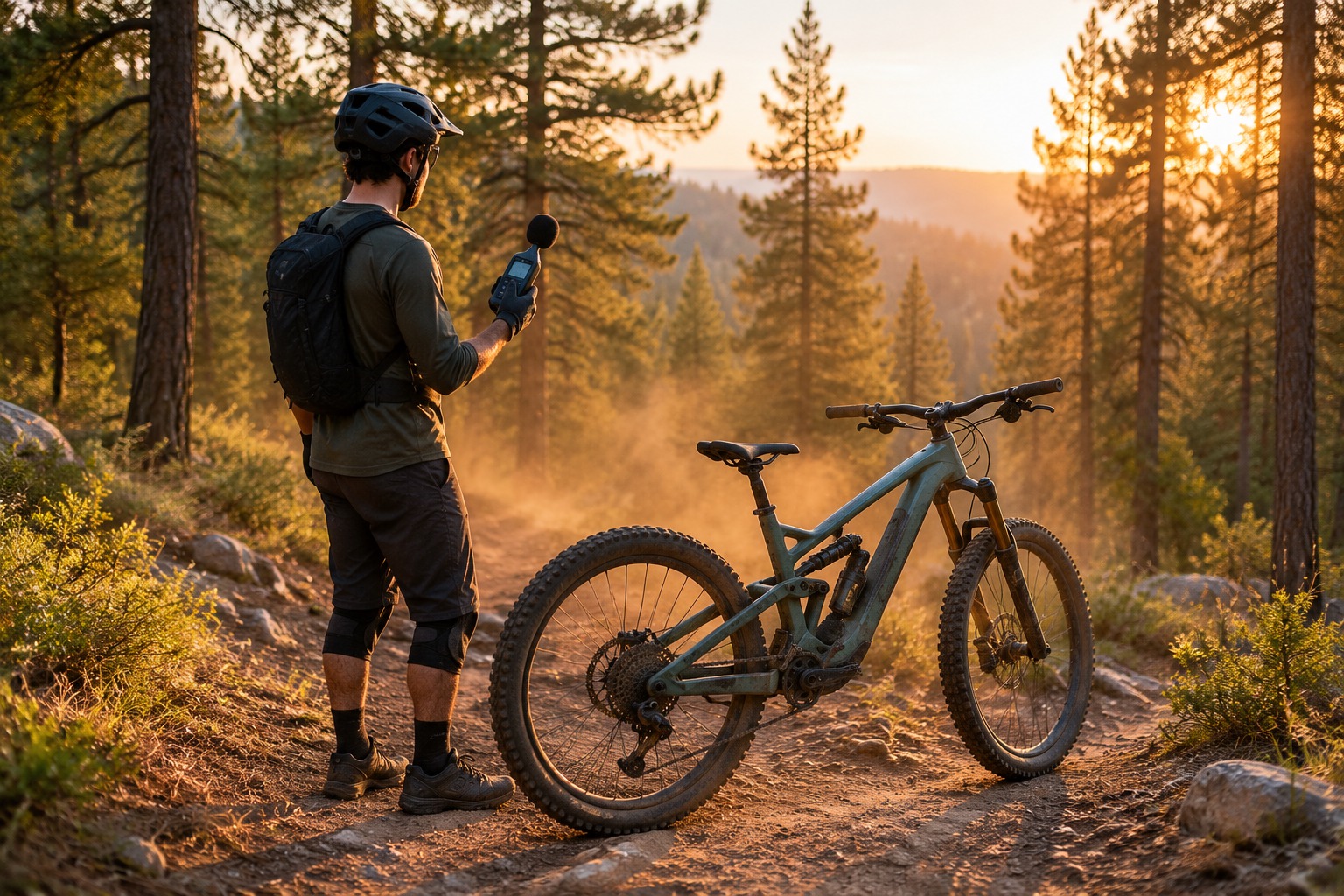
Noise is the other thing people underestimate. Most aftermarket full systems run 96-102 dB without a spark arrestor insert. That’s fine at a closed-course track. It’s not fine on public land in most US states, where 96 dB is the common legal ceiling and spark arrestors are mandatory during fire season. I keep a quiet insert in my gear bag — it costs about $40 and turns a 101 dB system into a 94 dB one. You lose roughly 1.5 hp, but you keep your riding spot.
For anyone comparing specific systems before buying, the fitment charts and sound test data at saved me a wasted order last spring when I almost bought a system that didn’t clear my oversized fuel tank.
Three mistakes I’ve made so you don’t have to
- Forgetting the gasket. A $6 exhaust gasket that leaks will rob you of 2 hp and make the bike pop on decel. Replace it every time you remove the header.
- Over-torquing header bolts. Spec is usually 15-18 lb-ft. I snapped one at 25 lb-ft on an aluminum head and spent a weekend extracting it.
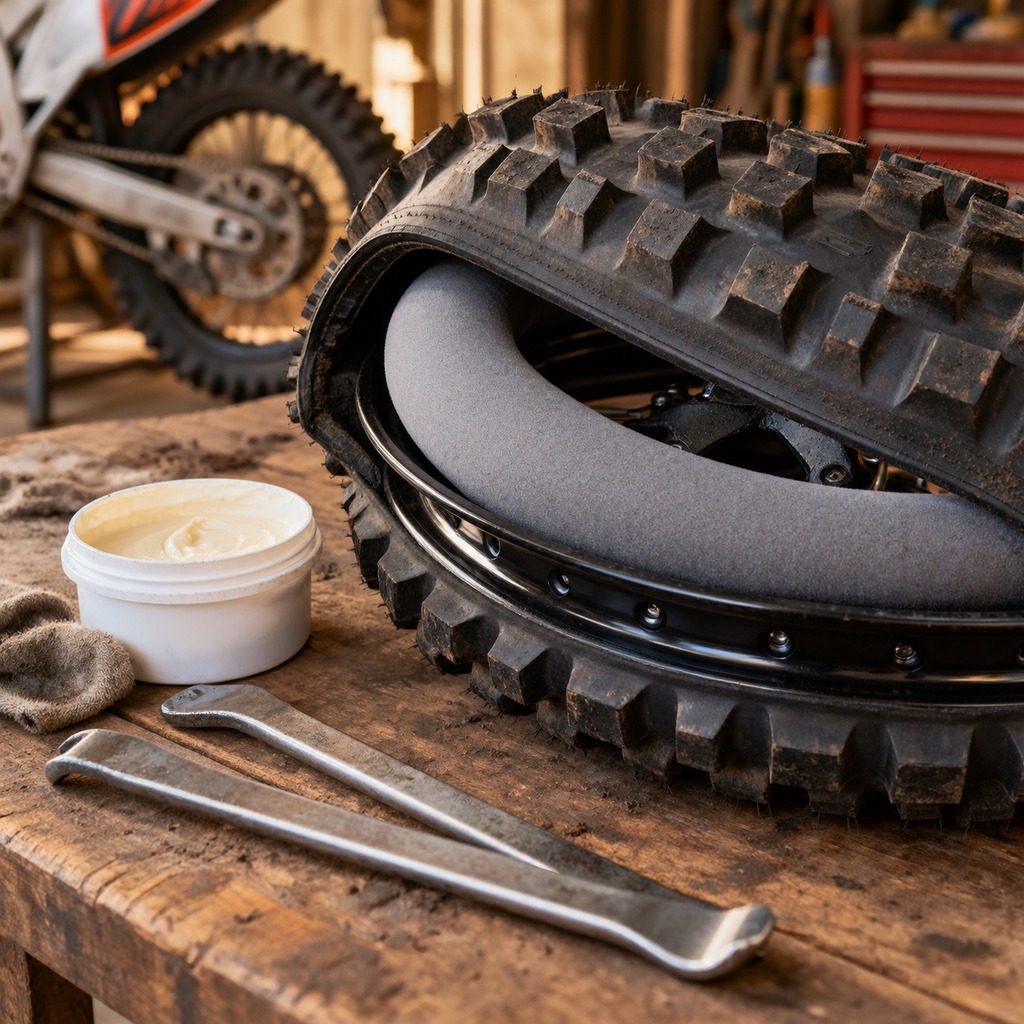
- Buying used without checking the packing. Silencer packing breaks down after 30-40 hours. A used pipe with blown packing is loud, harsh, and down on power. Repack kits cost $25 and take 20 minutes.
One last number worth knowing: a full exhaust system adds roughly 4-6 hp on a 450 and 2-3 hp on a 250F. That’s meaningful on a race bike. On a trail bike where you spend most of your time at half throttle, you’ll feel the weight savings more than the power gain. Weigh what you actually ride before you spend.