You can ride the best dirt bike trails in Colorado for $40 a weekend or $400, and the difference isn’t skill. It’s how you plan the trip. Here’s the real cost breakdown, using a ride I did last September as the spine of it.
The Case: Rampart Range, One Weekend, Four Riders
Four of us, three bikes, one truck, two nights out. We ran Rampart Range near Woodland Park — roughly 90 minutes from Denver, no fee to ride, but a Colorado OHV permit is mandatory. That sticker runs $25.25 per bike per year, and rangers do check. We saw two trucks get turned around at the trailhead in one morning.
Fuel math matters more than people expect. Towing a trailer from Denver and back plus two days of riding burned about $95 in gas split four ways. Camping on national forest land was free; the closest motel in Woodland Park quoted $139 a night when we called in August. That single decision — camp versus motel — swung the weekend cost by roughly $280 for the group.
Rule of thumb we’ve settled on: a front-range weekend ride costs $60–$90 per person if you camp, $180–$240 if you hotel it. Anything above that means you’re paying for convenience you didn’t need.
Why Rampart Is the Default, and Where It Falls Short
Rampart gives you over 100 miles of marked singletrack and two-track, from beginner-friendly fire roads to the Captain Jack’s area that will humble a confident rider fast. The catch is traffic. On a Saturday in July, we counted 30-plus bikes at the main staging area by 9 a.m. Start at 7 a.m. or ride midweek, or you’ll spend more time yielding than riding.
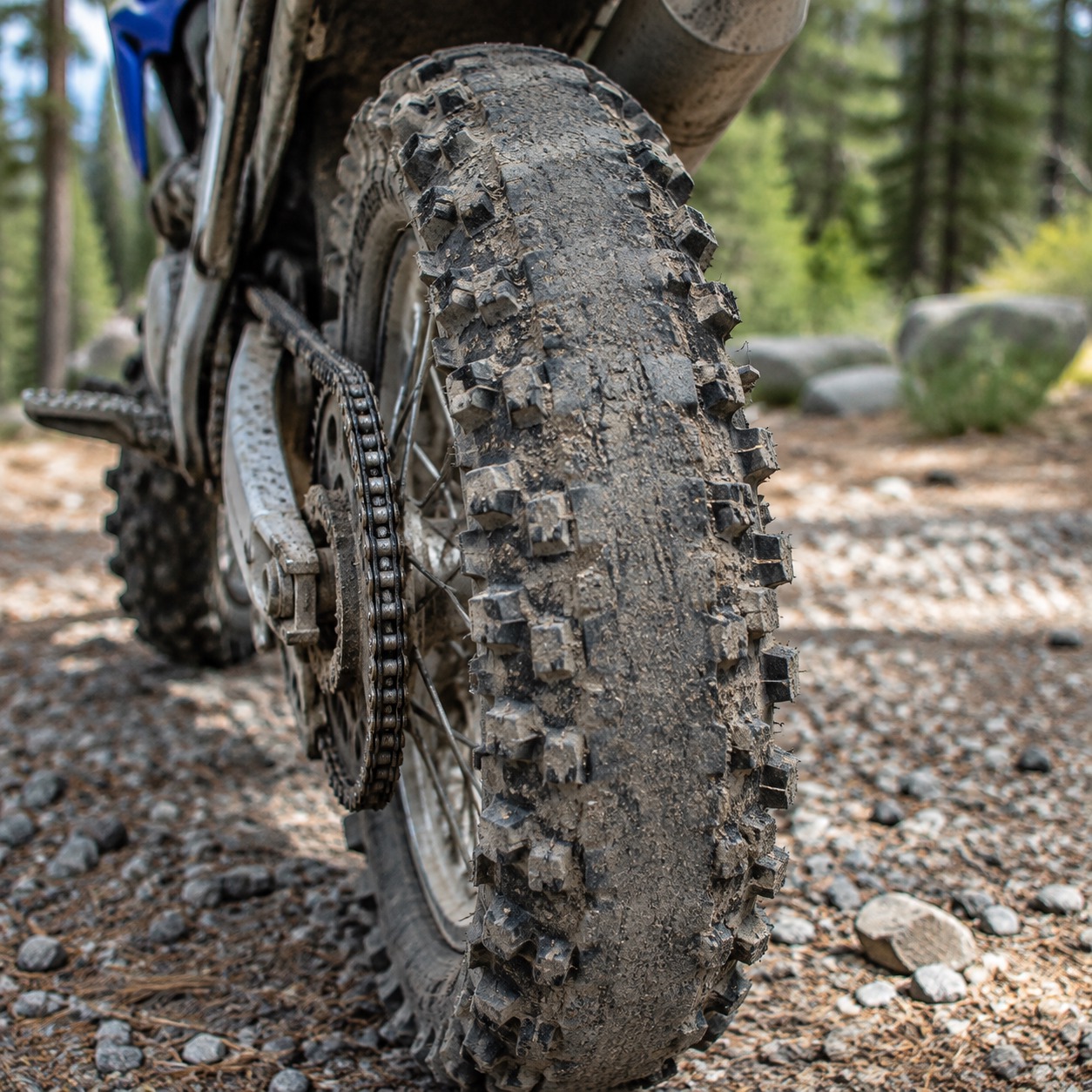
Loose granite is the surface here, and it eats rear tires. One of our group burned through a rear knobbie in about six rides on this terrain. Budget $90–$130 per tire and factor that into your season cost, not just your entry cost.
Taylor Park: The Expensive One That’s Worth It
Taylor Park near Gunnison is the other name that comes up constantly, and it’s a different financial animal. Four hours from Denver each way. The Trading Post charges for camping — we paid $28 a night for a site with no hookups — and you’ll want at least three days to justify the drive. Add a $60–$80 tank of fuel for the truck each direction.
What you get for that: high alpine singletrack above 10,000 feet, 300-plus miles of trail, and terrain that changes character every few miles. Timberline trails, rock gardens, creek crossings. We rode three days and never repeated a section.
Altitude is the hidden cost. Coming from Denver at 5,280 feet, a 12,000-foot pass will flatten you. Two of our four riders were done by early afternoon on day one. If you’re making this trip, arrive a day early and do a short shakedown ride. Jetting matters too — bikes jetted for low elevation run rich up here and lose power noticeably.
Rainbow Falls and the Springs Area: The Cheap Local Option
For Colorado Springs riders, Rainbow Falls in Teller County is the low-commitment pick. Free staging, close to town, and enough technical terrain to keep an intermediate rider busy for a half day. It’s smaller than Rampart and gets crowded on weekends, but a Tuesday evening ride there costs you a gallon of gas and nothing else.
This is where the cost-per-hour math gets interesting. A Rainbow Falls after-work ride runs maybe $12 all-in. A Taylor Park trip runs $350–$500 per person for three days. Both are good rides. The question is what you’re actually buying — convenience, or terrain you can’t get anywhere else.
The Permits, Fees, and Rules People Get Wrong
- Colorado OHV permit: $25.25 per bike, annual, required on all designated OHV trails. Buy it before you leave; not every trailhead sells them.
- Spark arrestor: Required on national forest land. A missing one is a citation, not a warning.
- Sound limits: 96 dB is the standard on most Colorado trails. Aftermarket pipes without a quiet insert will fail.
- Staging area rules: Some areas require you to unload in designated spots only. Rampart enforces this on busy weekends.
We’ve watched riders get cited for riding closed singletrack after a wet spring. Colorado closes trails for erosion, and the closures aren’t always posted at every access point. Check the forest service site the morning you ride.
What Actually Decides Your Season Cost
Three variables dominate: how far you drive, whether you camp, and how often you replace tires and chains. A Denver rider doing 15 local days and two mountain trips will spend roughly $1,400–$1,900 for the season including consumables. Cut the mountain trips and you’re at $700. Add a second bike for a kid and you’re past $2,500.
None of that includes the bike itself, gear, or repairs from a real crash. A bent radiator or a cracked case cover is a $200–$600 day. Set that aside before you ride, not after.
If you want a deeper dive into trail conditions and current closures before committing to a trip, keeps a running list that’s more current than most forum threads.
The Short Version
Rampart for cheap weekend volume. Taylor Park for the trip you’ll remember, budgeted at $400 per person. Rainbow Falls for Tuesday nights. Get the $25 permit, keep your spark arrestor in, start early, and put tire money in the budget from day one. That’s the whole game.