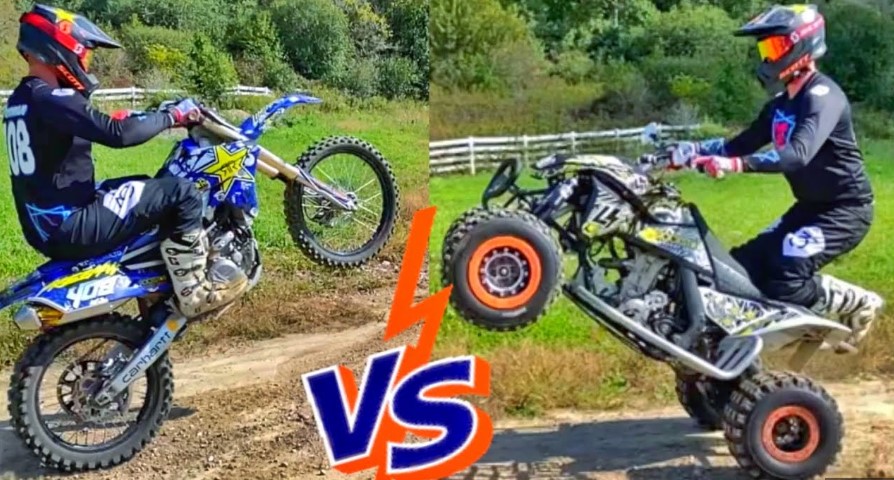
What is Safer: A Quad or Dirt Bike?
Quads and dirt bikes are popular off-road vehicles that offer thrilling experiences for outdoor enthusiasts. Quads, also known as ATVs, are four-wheeled vehicles designed for traversing rough terrain. Dirt bikes, on the other hand, are two-wheeled motorcycles specifically built for off-road use. Understanding the safety differences between these two types of vehicles is crucial for riders to make informed decisions and minimize the risk of accidents and injuries.
This article will delve into the characteristics of quads and dirt bikes, analyze safety factors such as stability and maneuverability, examine injury statistics, and discuss the importance of protective gear and training. We will also explore legal considerations, compare built-in safety features, and present expert opinions to provide a comprehensive overview of the safety aspects of quads and dirt bikes.
Understanding Quads and Dirt Bikes

- What is a Quad? A quad, or ATV, is a four-wheeled vehicle designed for off-road use. Quads are characterized by their wide, low-pressure tires, handlebar steering, and straddle seating position. These vehicles are commonly used for recreation, agriculture, and utility purposes. Quads come in various types, including sport quads for high-performance riding and utility quads for work-related tasks.
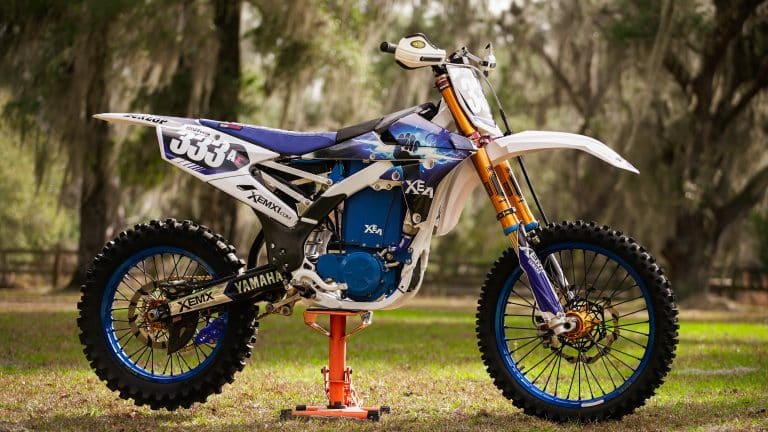
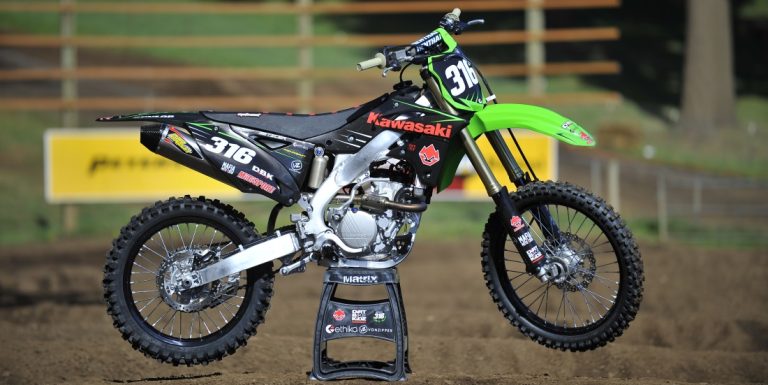
- What is a Dirt Bike? A dirt bike is a lightweight motorcycle specifically designed for off-road riding. Dirt bikes feature knobby tires for improved traction, long-travel suspension systems, and high ground clearance. These vehicles are primarily used for recreational purposes, motocross racing, and trail riding. Dirt bikes come in different types, such as motocross bikes for track racing and trail bikes for off-road exploration.
Safety Factors to Consider
- Stability and Balance Quads offer superior stability compared to dirt bikes due to their four-wheel design. The wider stance and lower center of gravity of quads reduce the risk of tipping over during normal riding conditions. Dirt bikes, however, require more balance from the rider and have a higher risk of falling over, especially at low speeds or when navigating tight turns.
- Speed and Maneuverability Dirt bikes generally have higher top speeds and greater maneuverability than quads. The lightweight design and two-wheel configuration of dirt bikes allow for quick direction changes and easier navigation through tight spaces. Quads, while less maneuverable, offer more stability at higher speeds and are less likely to lose control on straight paths.
- Terrain and Riding Conditions The safety of quads and dirt bikes is significantly influenced by the terrain and riding conditions. Quads excel in open areas and are well-suited for traversing muddy or sandy terrain. Dirt bikes perform better on narrow trails, steep inclines, and technical terrain that requires precise maneuvering.
| Characteristic | Quad | Dirt Bike |
| Wheels | Four | Two |
| Stability | High | Moderate |
| Maneuverability | Moderate | High |
| Top Speed | Moderate | High |
| Terrain Suitability | Open areas, mud, sand | Narrow trails, technical terrain |
| Balance Required | Low | High |
Injury Statistics and Risk Factors

- Common Injuries Associated with Quads Quad-related injuries often involve rollovers, collisions, and ejections. Common injuries include fractures, head injuries, and spinal cord injuries. According to the U.S. Consumer Product Safety Commission, there were an estimated 81,800 ATV-related injuries treated in emergency departments in 2020.
- Common Injuries Associated with Dirt Bikes Dirt bike injuries typically result from falls, collisions, and loss of control. Frequent injuries include fractures, sprains, and head injuries. A study published in the Journal of Trauma and Acute Care Surgery found that dirt bike injuries tend to be less severe than quad injuries but occur more frequently.
List of Common Injuries:
- Fractures (arms, legs, ribs)
- Head injuries (concussions, traumatic brain injuries)
- Spinal cord injuries
- Soft tissue injuries (sprains, strains)
- Abrasions and lacerations
Pros and Cons of Quads for Safety
Advantages
- Greater stability due to four-wheel design
- Lower risk of tipping over during normal riding
- Easier to control for beginners
Disadvantages
- Higher risk of rollovers on steep terrain or during sharp turns
- Increased likelihood of severe injury in the event of a rollover
- False sense of security may lead to riskier behavior
Protective Gear and Safety Equipment

- Essential Gear for Quad Riders Quad riders should wear DOT-approved helmets, goggles, gloves, long-sleeved shirts, long pants, and over-the-ankle boots. Additional gear specific to quads includes chest protectors and knee/shin guards.
- Essential Gear for Dirt Bike Riders Dirt bike riders require similar protective gear, including DOT-approved helmets, goggles, gloves, and sturdy boots. Additional gear for dirt bike riders includes knee braces, elbow pads, and body armor.
| Gear Type | Quad Riders | Dirt Bike Riders |
| Helmet | DOT-approved | DOT-approved |
| Eye Protection | Goggles | Goggles |
| Upper Body | Long-sleeved shirt, chest protector | Long-sleeved shirt, body armor |
| Lower Body | Long pants, knee/shin guards | Long pants, knee braces |
| Footwear | Over-the-ankle boots | Motocross boots |
| Hands | Gloves | Gloves |
Training and Skill Development
- Importance of Training for Quad Riders Proper training is essential for quad riders to understand vehicle dynamics, safe riding techniques, and risk management. Basic training programs cover topics such as proper body positioning, turning techniques, and obstacle navigation. Advanced training focuses on handling challenging terrain and emergency maneuvers.
- Importance of Training for Dirt Bike Riders Dirt bike riders require comprehensive training to develop balance, control, and off-road riding skills. Basic training programs cover fundamental techniques like body positioning, clutch control, and braking. Advanced training includes skills for navigating technical terrain and performing jumps safely.
Legal and Regulatory Considerations
- Licensing and Age Restrictions Licensing requirements for quads and dirt bikes vary by jurisdiction. Many states require operators to obtain a safety certificate or license, especially for riding on public lands. Age restrictions are common, with some areas prohibiting children under a certain age from operating full-sized quads or dirt bikes.
- Off-Road Regulations Legal riding areas for quads and dirt bikes are often designated by local authorities. Regulations may include speed limits, noise restrictions, and trail-specific rules. Adhering to these regulations is crucial for ensuring safe riding conditions and preserving access to riding areas.
Comparative Analysis of Safety Features

Built-in Safety Features of Quads Modern quads incorporate various safety features to enhance stability and control. These may include:
- Anti-lock braking systems (ABS)
- Traction control
- Speed limiters
- Roll-over protection systems (ROPS)
Built-in Safety Features of Dirt Bikes Dirt bikes feature safety enhancements focused on improving maneuverability and control, such as:
- Advanced suspension systems
- Improved braking systems
- Engine kill switches
- Handguards and bash plates
Real-Life Case Studies and Anecdotes
- Case Studies of Quad Accidents Analysis of quad accidents often reveals common scenarios such as rollovers on steep terrain, collisions with fixed objects, and loss of control at high speeds. Lessons learned from these incidents emphasize the importance of proper training, adherence to safety guidelines, and understanding the limitations of the vehicle.
- Case Studies of Dirt Bike Accidents Dirt bike accident analyses frequently highlight incidents involving loss of control on technical terrain, collisions with other riders, and injuries resulting from jumps or falls. These case studies underscore the need for proper protective gear, skill development, and risk assessment.
Expert Opinions and Recommendations
Safety experts generally agree that both quads and dirt bikes can be ridden safely with proper training, equipment, and adherence to guidelines. Many experts recommend that beginners start with quads due to their increased stability, while emphasizing the importance of respecting the vehicle’s limitations. For dirt bikes, experts stress the need for comprehensive training and gradual skill progression.
When choosing between a quad and a dirt bike, experts suggest considering factors such as:
- Rider’s physical abilities and experience level
- Intended use (recreation, racing, utility)
- Type of terrain to be ridden
- Personal comfort with balance and control
For those interested in dirt bikes, many experts recommend starting with a Best Trail Dirt Bike as these models often offer a balance of performance and manageability suitable for developing riders.
Conclusion
In conclusion, determining whether a quad or dirt bike is safer depends on various factors, including rider experience, terrain, and adherence to safety practices. Quads offer greater stability and ease of use for beginners but come with risks such as rollovers in certain conditions. Dirt bikes provide enhanced maneuverability but require more skill to operate safely. Ultimately, the safest choice is the one that aligns with the rider’s skill level, intended use, and commitment to proper training and safety precautions. Regardless of the vehicle chosen, wearing appropriate protective gear, obtaining proper training, and following legal regulations are essential for minimizing risks and enjoying off-road riding safely.

Jason Wilkins began his career with a passion for online shopping experiences and deep insights into the outdoor gear market. With the aim of providing excellent choices for those who love an active lifestyle, he established besttraildirtbike.com, specializing in advising and selling Amazon Affiliate products suitable for dirt bikes, accessories, and touring gear.
Leveraging his expertise in SEO techniques and business management skills, Jason has built a reputable brand, attracting thousands of customers. As a dedicated and creative leader, he continuously seeks ways to enhance the user experience and sustainably grow the business.
Jason has in-depth knowledge of dirt bike trends and accessory innovations, constantly updating himself on the latest breakthroughs in this field. On his website, he shares detailed and objective reviews of hot products on the market, along with tips for safe dirt biking and touring.
With the motto “Passion Without Limits,” Jason aspires to inspire many outdoor enthusiasts to explore the wonders of nature. Under his guidance, besttraildirtbike.com is steadily becoming a trusted destination for customers to find quality products for their dirt biking and adventure touring pursuits.
This article provides a thorough comparison of safety between quads and dirt bikes. The discussion on stability versus maneuverability was particularly insightful. I’m curious, though, how do factors like rider experience and terrain influence the safety of each vehicle? Also, are there specific safety gear recommendations that can enhance protection regardless of the choice between a quad and a dirt bike?
Hi Jake,
Thank you for your thoughtful comment! You’re absolutely right; rider experience and terrain play significant roles in the safety of both quads and dirt bikes. For instance, experienced riders often have better control and judgment, which can enhance safety on either type of vehicle. On challenging terrains, such as rocky or uneven surfaces, the stability of a quad might offer an advantage, while a dirt bike’s maneuverability can be beneficial in tight or technical sections.
Regarding safety gear, regardless of whether you choose a quad or a dirt bike, certain protective equipment is crucial. A high-quality helmet, gloves, and goggles are essential for protecting against impacts and debris. For additional protection, consider wearing a chest protector, knee and elbow guards, and suitable riding boots. Each of these items contributes to reducing the risk of injury and enhancing overall safety.
Hope this helps! Feel free to reach out if you have more questions.
Best,
Great analysis of safety aspects for quads and dirt bikes! The breakdown of accident statistics and common injuries was very informative. Could you provide more details on how each vehicle’s design affects the likelihood of injury in specific scenarios, like sharp turns or rough terrain? Additionally, how do safety features such as roll cages in quads compare to the protective gear needed for dirt biking?
Hi Holly,
Thank you for your feedback! I’m glad you found the analysis informative. Regarding how each vehicle’s design impacts the likelihood of injury, it’s true that the design features of quads and dirt bikes can significantly affect safety in different scenarios.
For sharp turns, quads can be more stable due to their four-wheel design, but they also have a higher risk of tipping over if not handled correctly. Dirt bikes, being narrower and more agile, can navigate tight turns more easily, but their higher center of gravity can lead to more frequent falls if the rider loses control.
On rough terrain, quads often have better shock absorption and stability, reducing the chance of the vehicle bouncing or tipping over. However, the risk of injury from a rollover is a concern if the quad’s stability is compromised. Dirt bikes are designed to handle rough terrain with their long suspension travel, but they require more skill to manage the bike’s balance and absorb impacts effectively.
Regarding safety features, quads often come equipped with roll cages that can provide added protection in case of a rollover. In contrast, dirt bikers rely on protective gear like helmets, gloves, knee guards, and chest protectors. While roll cages can be very effective, the comprehensive safety gear used in dirt biking offers a more personalized level of protection tailored to various types of injuries.
I hope this provides a clearer picture of how each vehicle’s design and safety features contribute to overall safety. Let me know if you have any more questions!
Best,
Thanks for the detailed comparison between quads and dirt bikes. The discussion on handling and stability was very clear. I’d like to know more about how the risk of rollover differs between these two vehicles, especially in off-road conditions. Also, how does the learning curve for new riders affect the overall safety of quads versus dirt bikes?
Hi Brooks,
Thank you for your feedback! The risk of rollover does vary between quads and dirt bikes, especially in off-road conditions. Quads, with their four wheels, can be more prone to rollovers, particularly when making sharp turns or climbing steep inclines. Their higher center of gravity compared to dirt bikes contributes to this risk. On the other hand, dirt bikes, with their lower center of gravity and two-wheel design, tend to be more stable on uneven terrain, but they can still tip over if not handled correctly.
Regarding the learning curve, quads are generally considered easier for beginners because they offer more stability and require less balance compared to dirt bikes. However, this can sometimes lead to a false sense of security, making new riders less cautious. Dirt bikes, while requiring more balance and skill to master, can help riders develop better control and reaction skills, which can contribute to overall safety once those skills are acquired.
Both types of vehicles have their own safety considerations, and the best choice often depends on the rider’s experience level and the type of terrain they’ll be navigating.
Hope this helps!
Best,